Streaming was supposed to end physical media for good. Instead, vinyl records have staged one of the strangest comebacks in modern retail, turning what used to be a niche hobby for collectors into a genuine market force. The reasons behind this shift are not mysterious — they involve memory, ritual, and the simple pleasure of holding something real in your hands.
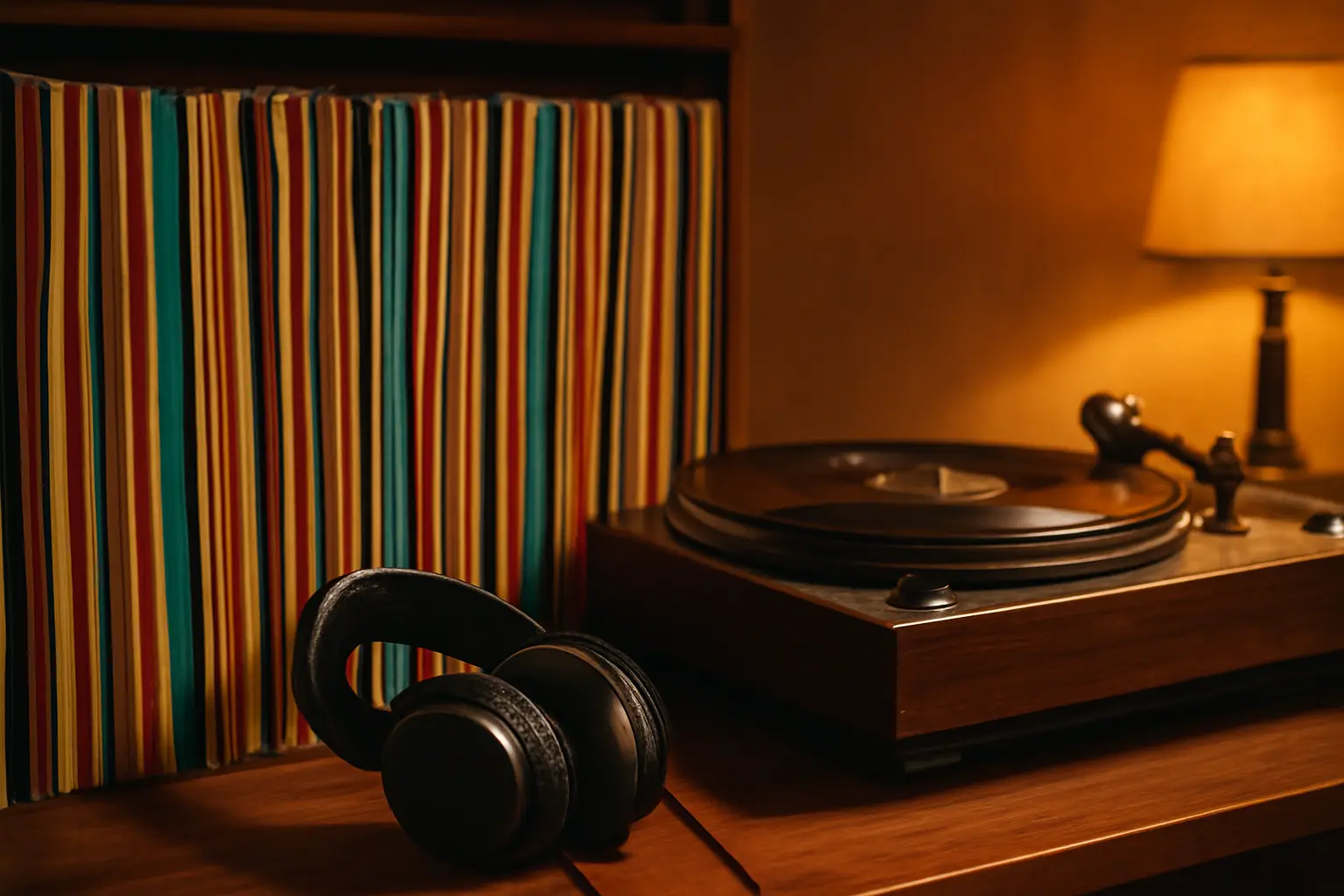
The Rise and Influence of the Vinyl Revival
The modern vinyl revival is usually traced back to 2007, when sales began climbing after decades of decline. What started as a slow, steady recovery turned into something much bigger: by 2020, vinyl LPs had actually overtaken CD sales, a milestone that would have seemed unthinkable a decade earlier. The Rise and Influence of this format extends well beyond niche record shops — vinyl is now stocked in mainstream retail chains and treated as a core part of an artist’s release strategy, not an afterthought for die-hard fans.
Also worth reading: The Greatest Music Albums of All Time: A Look Back at Musical Masterpieces.
In the United States, the numbers tell their own story. Vinyl sales revenue passed $1 billion in 2025, the first time it had crossed that threshold since 1983. Reports from the prior year put physical unit sales at 46.8 million EPs and LPs — a figure that would have been dismissed as fantasy during the format’s lowest point in the 2000s. This isn’t a fringe trend anymore; it’s a functioning, sizeable segment of the music industry.
Why Nostalgia Sells Records
At the centre of the comeback sits nostalgia, and research into vinyl consumption backs this up directly. Studies describe how listeners form nostalgic recollections around records, and how memory and temporality attach themselves to what researchers call “legacy technological objects.” A record isn’t just a music carrier — it’s tied to a specific place, a specific time, sometimes a specific person who first played it for you.
This emotional pull explains why people return to vinyl even when digital listening is faster, cheaper, and more convenient. Music Albums on vinyl carry weight that a streaming playlist doesn’t: they represent a purchase decision, a physical object that sits on a shelf, a thing you can pass down or lend to a friend. That permanence is part of the appeal, not a side effect of it.
The Physical Experience Streaming Can’t Copy
Beyond memory, there’s a sensory case for vinyl that has nothing to do with sound quality debates. Listeners consistently point to things streaming simply cannot offer:
- Large-format album art that turns Music Albums into genuine visual objects rather than thumbnail icons
- Printed lyrics and liner notes that give context and depth to the listening experience
- The physical ritual of placing the needle on the record — a deliberate, unhurried act compared to tapping play
- The tactile, analog experience of handling a large disc rather than scrolling through a phone screen
This is also where the coolest album covers come into play. Vinyl’s 12-inch sleeve format has always given artwork room to breathe in a way that CD cases and digital thumbnails never could. Some of the coolest album covers in music history were designed specifically with that large canvas in mind, and reissues on vinyl let fans experience that artwork at full scale rather than as a compressed icon in a streaming app.
Collectability: The Business Model Behind the Comeback
One of the clearest differences between vinyl and digital formats is how collectable a physical release can be made. Labels and artists have leaned into this hard, releasing:
- Coloured vinyl pressings in limited runs
- Alternate cover artwork for the same album
- Bonus tracks exclusive to the vinyl edition
- Posters, inserts, or handwritten liner notes
This variant-driven strategy encourages fans to buy the same album multiple times in different pressings — something a digital file simply cannot replicate, since there’s no meaningful difference between one download and another. For collectors, each variant is a distinct object with its own value, and that logic has become a real driver of repeat purchases.
Gen Z and the Analog Turn
Perhaps the most unexpected part of the vinyl story is who’s buying it. Much of the current growth is associated with Gen Z, a generation that grew up entirely within the streaming era yet has become a primary driver of analog music sales. Reporting suggests younger listeners are using vinyl as a form of identity and differentiation — a way to signal taste and commitment to music that a Spotify playlist can’t convey.
There’s also a “digital detox” angle to this. For a generation that’s spent its whole life staring at screens, vinyl offers something screen-free: an object to hold, a cover to look at, a ritual that doesn’t involve notifications. Whether that’s a passing phase or a lasting shift in listening habits remains to be seen, but the sales figures suggest it’s more than a passing curiosity.
Conclusion
Vinyl’s comeback isn’t really about audio fidelity or nostalgia for a bygone era — it’s about what physical formats offer that digital ones structurally cannot: tactile ritual, collectable variants, oversized artwork, and a sense of ownership over Music Albums that a subscription service was never designed to provide. Whether driven by memory or by a new generation looking for something screens can’t give them, the format’s return looks less like a fad and more like a permanent fixture in how people choose to experience music.