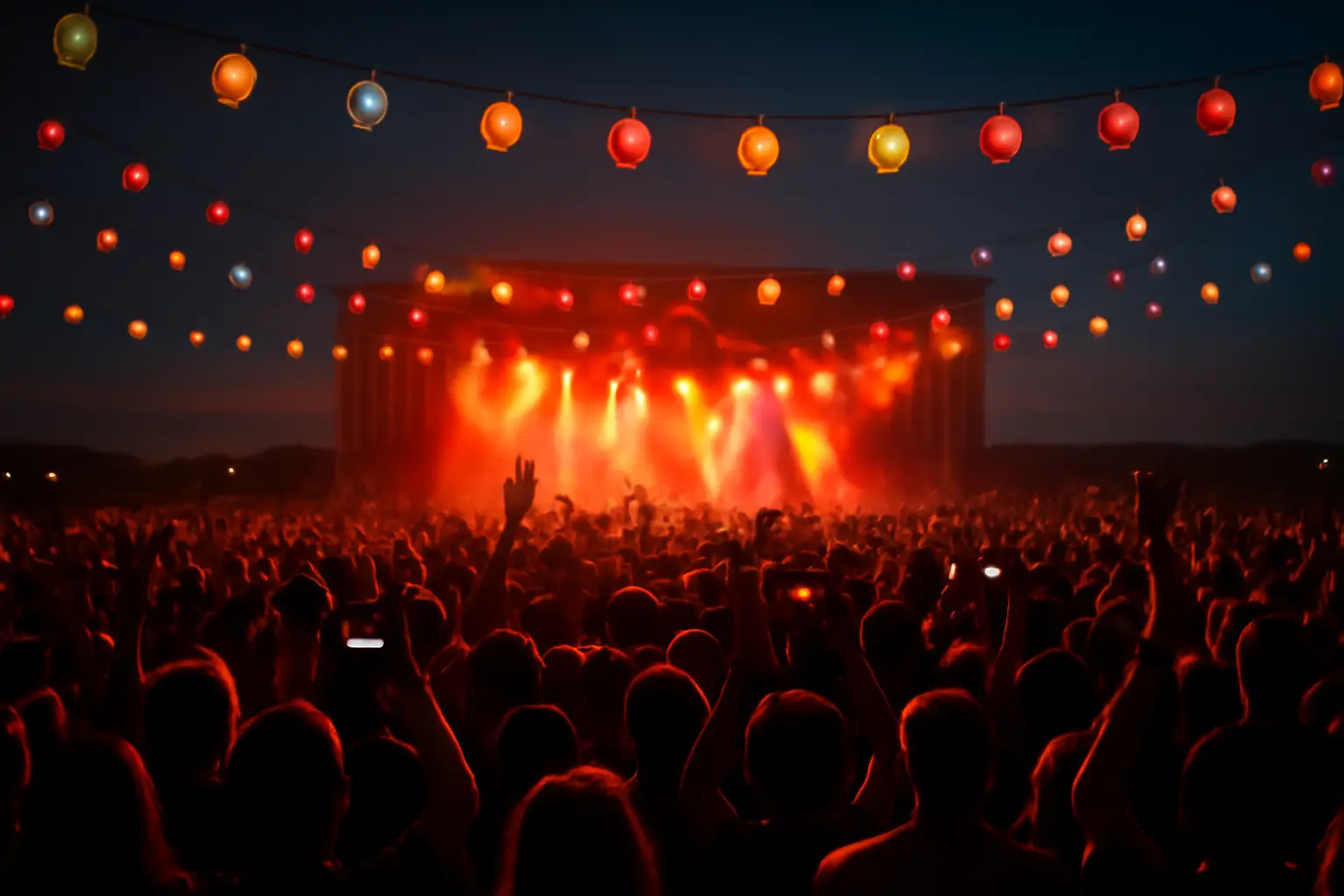
Music festivals are built around one simple idea: live performance, gathered in one place, usually across multiple stages and several days. That format has spread far beyond its early roots and now covers nearly every genre and continent. Whether you’re tracking the Rise and Influence of a particular festival scene or just trying to plan a summer trip around live music, the sheer scale of what’s out there can be surprising.
Related: The Rise and Influence of Trap Music.
How Big Is the Festival World, Really?
One major worldwide festival directory returned 1,026 festivals in its search results alone. That number says a lot about how the market has grown — this isn’t a niche hobby anymore but a global industry with its own logistics, ticketing systems, and fan communities. Finding the Best Music at a festival often starts with simply narrowing down which of these hundreds of events fits your taste, budget, and travel plans.
Europe’s Organised Festival Network
Europe in particular has built structure around this growth. The European Festivals Association runs FestivalFinder.eu, a platform where arts festivals from 45 countries are invited to register. That kind of coordination matters for audiences trying to compare events across borders, and it also gives smaller or regional festivals a way to reach international visitors who might otherwise never hear about them.
Festivals Tied to Place and Date
Some of the biggest names in the festival calendar are inseparable from their location. Download Festival, held at Donington Park in England, is a clear example — its 2026 edition is scheduled for 10–14 June. That kind of fixed date and venue becomes part of the festival’s identity over time. Fans plan around it, local infrastructure adapts to it, and the location itself becomes shorthand for the genre it represents, in this case rock and heavy metal.
A Genre for Every Crowd
Festival coverage isn’t limited to one sound. The range on offer includes:
- Rock and heavy metal events built around guitar-driven lineups and long-standing fan bases
- Electronic festivals focused on DJ sets, production, and late-night stages
- Bluegrass gatherings that lean on acoustic instrumentation and traditional roots
- Broader multi-genre festivals that mix all of the above across different stages on the same site
This variety means the question of Finding the Best Music at a festival really depends on what you’re chasing. Someone hunting for the Best Songs About Music itself — tracks that reflect on performance, sound, and the live experience — might find more of that reflective songwriting at singer-songwriter or folk-leaning events than at a heavy electronic lineup. The genre shapes not just the sound but the whole atmosphere of the event.
What to Expect Before You Buy a Ticket
Practical details vary from festival to festival, but a few patterns show up repeatedly:
- Ticket pricing is often tiered, sometimes with an added service fee on top of the listed price — one festival, for example, priced entry at €43.50 plus a €2.95 service fee
- Age-based admission rules are common, with some events offering free entry for children under 12
- Entry conditions can be specific to each event, covering everything from what you’re allowed to bring in to how re-entry works if you leave the grounds
None of these details are universal, so checking the specific festival’s own listed terms before travelling is worth the time. A ticket price that includes a service fee, or an age cutoff for discounted entry, can change the actual cost of attending more than people expect.
Why the Format Keeps Growing
The multi-stage, multi-day festival format works because it solves a real problem for both artists and audiences. Artists get access to large crowds without having to fill an entire tour schedule around one city. Audiences get to see several acts in one trip rather than planning separate nights out for each one. That efficiency, combined with the sense of shared experience that live music creates, is a big part of why the format has spread to so many countries and genres rather than staying confined to a handful of famous names.
Planning Your Own Festival Trip
If you’re weighing which festival to attend, a few practical questions help narrow the field:
- What genre or mix of genres do you actually want to hear live?
- Is the festival tied to a fixed venue and date you can build travel around, like Download Festival’s Donington Park setting?
- What are the ticket tiers, added fees, and age-based rules for that specific event?
- Does the festival sit within a larger network, such as the FestivalFinder.eu listings, that might point you toward similar events nearby?
Working through these questions turns an overwhelming list of hundreds of options into a shortlist that actually matches what you’re looking for.
Final Thoughts
Music festivals have become one of the clearest ways to experience live sound at scale — multiple stages, packed lineups, and crowds built around a shared interest in hearing music performed rather than recorded. With well over a thousand events listed globally and organised networks helping fans track them across dozens of countries, the challenge isn’t finding a festival. It’s figuring out which one matches the sound, the setting, and the experience you’re actually after.