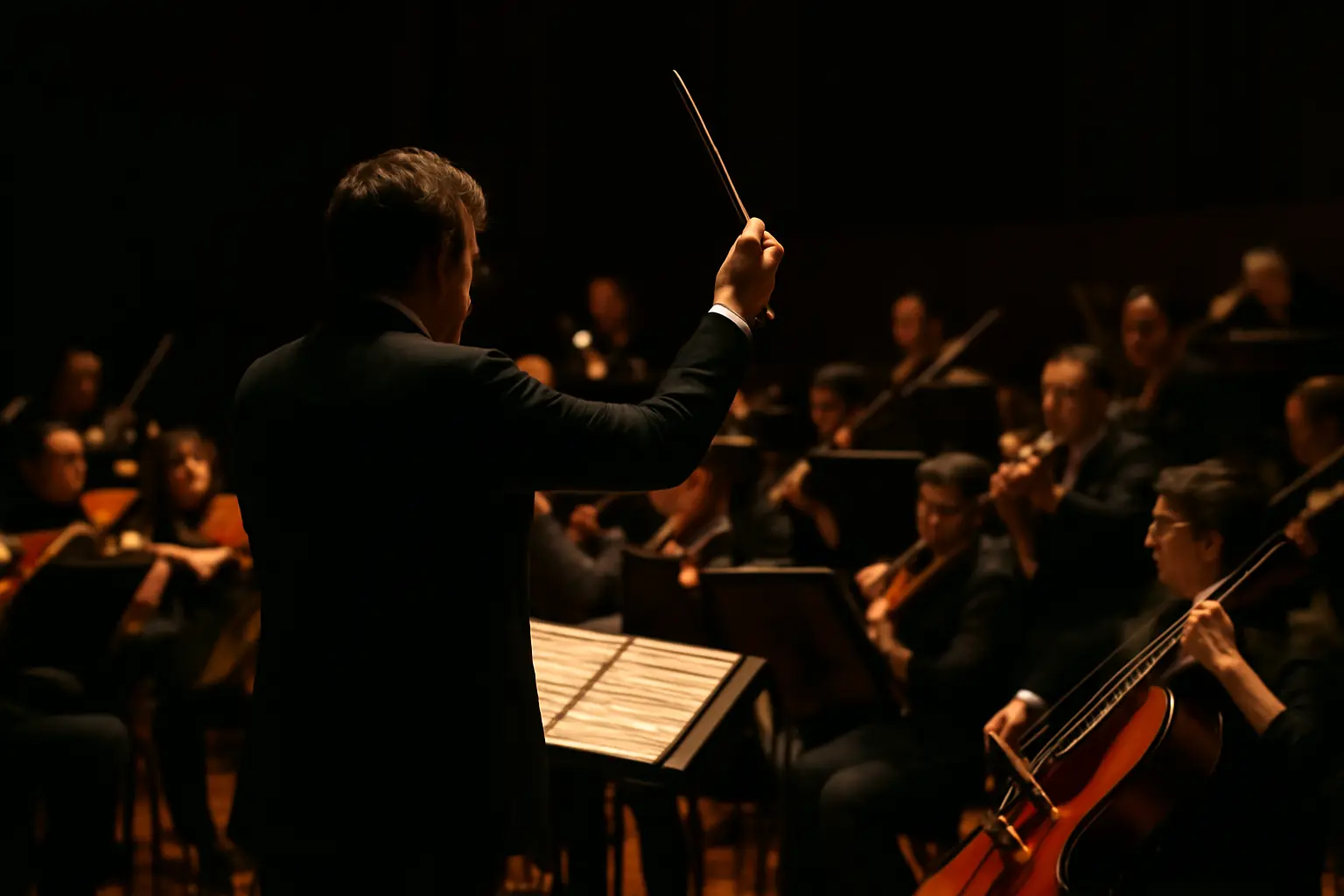
A great film score does more than fill silence. It tells the audience when to feel dread, when to hope, when to grieve, before a single line of dialogue confirms it. Music composition for film is a craft built on restraint and timing as much as melody, and the composers who master it become inseparable from the movies they work on. Some names recur constantly in these conversations: John Williams, Ennio Morricone, Howard Shore, Hans Zimmer. Each has a distinct sonic signature, yet all share the same job — supporting a story without stealing its scene.
What a Film Score Actually Does
It helps to separate two terms people often use interchangeably. A score is the original instrumental music written specifically for a film, composed to match its emotional arc and pacing. A soundtrack is broader: it can include the score alongside licensed songs, pop tracks, or an entire commercial album released to accompany the movie. Mixing the two up is one of the most common errors in casual film discussion, but the distinction matters, because it shapes how we credit and analyse a film’s music. A composer writes the score; a music supervisor or the production team often assembles the wider soundtrack.
The Rise and Influence of Film Scoring as an Art Form
The rise and influence of film scoring didn’t happen overnight. One of the earliest benchmarks still cited by scholars and critics is Sergei Prokofiev’s 1938 score for Alexander Nevsky. Decades before digital orchestration or synchronised recording became standard practice, Prokofiev demonstrated that a score could function as more than accompaniment — it could carry narrative weight in its own right. That example set a template later composers would build on, each generation pushing the relationship between image and sound a little further.
Also worth reading: The Role of a Music Producer: The Unsung Hero Behind Your Favorite Tracks.
Over time, certain composers became so closely tied to a director’s visual language or a franchise’s identity that their music is now inseparable from the brand itself. Howard Shore’s work is a clear case: he composed and conducted the soundtrack for The Aviator in 2004, contributing to a body of work that shows how a composer’s voice can adapt across very different projects while retaining a recognisable sensibility.
The Role of a Music Producer in Shaping the Sound
Composing the notes is only part of the process. The role of a music producer in film work involves shaping how that composition is recorded, mixed, and ultimately experienced by an audience. Producers make decisions about orchestration size, recording space, and how the score sits against dialogue and sound effects in the final mix. A brilliant composition can be undermined by poor production choices, and conversely, thoughtful production can elevate a modest theme into something that lingers with viewers long after the credits roll.
When the Composer Isn’t a Single Person
Not every memorable film score comes from a lone composer sitting at a piano. Some of cinema’s most distinctive musical moments were created by bands or electronic acts working collectively. Air’s atmospheric work for The Virgin Suicides and Toto’s contribution to Dune both show that a soundtrack doesn’t need a traditional orchestral pedigree to become iconic. These examples widen the definition of what a film composer can be, and they remind us that the goal — serving the story through sound — matters more than the format used to achieve it.
Musical Masterpieces That Defined Genres
Certain scores are treated less like background music and more like musical masterpieces in their own right, studied and performed independently of the films they were written for. What tends to separate these works from merely competent scores is a few recurring qualities:
- A theme distinctive enough to be recognised in isolation, without visual context
- Structural coherence across an entire film, not just isolated standout cues
- A close working relationship between composer and director that shapes tone from the earliest stages of production
- Instrumentation choices that reflect the film’s setting, period, or emotional register rather than generic orchestral defaults
These qualities aren’t formulas, and no checklist guarantees a masterpiece. But they explain why certain scores get replayed, sampled, and referenced decades after their films premiered.
Tracking the Work: Credits and Catalogues
Because film music production involves so many contributors — composers, conductors, orchestrators, producers, sometimes entire bands — dedicated credits databases and soundtrack catalogues exist to document who did what. These resources track full credits, track listings, and recordings across movies, television, and games, giving researchers and fans a way to trace a composer’s full body of work rather than relying on memory or incomplete liner notes. For anyone trying to understand how a particular sound evolved across a career, these catalogues are often more reliable than promotional materials.
Why These Composers Still Matter
Film scoring remains one of the few art forms judged almost entirely by restraint — the best work often goes unnoticed by casual viewers precisely because it does its job so well. The composers behind cinema’s most memorable moments understood that music isn’t decoration; it’s structural. Whether working alone with an orchestra or as part of a band contributing songs to a broader soundtrack, they shaped how audiences experience a story emotionally, often more directly than dialogue or visuals alone.
Understanding the difference between score and soundtrack, recognising the producer’s role in shaping final sound, and knowing the history behind today’s most influential composers all deepen how we watch and listen to film. The magic isn’t accidental — it’s composed, produced, and refined with intention.